10 Cybersecurity Risks Every Dental Practice Should Know
Discover the top 10 cybersecurity risks threatening dental practices and learn how LA Dental IT helps protect patient data, maintain HIPAA compliance, and secure dental office technology.
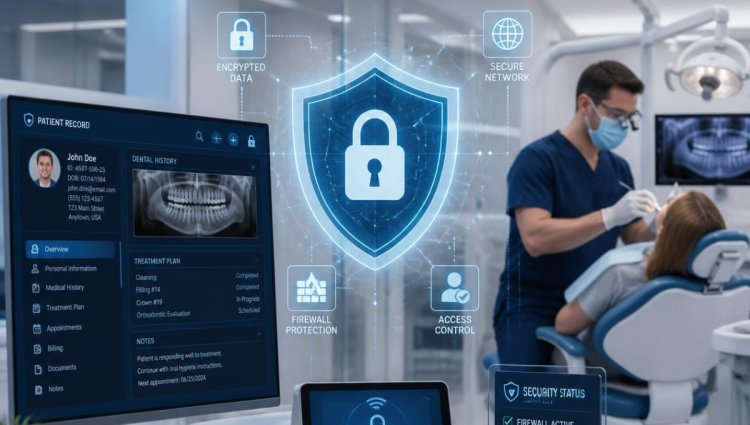
Modern dental practices rely heavily on technology to deliver efficient patient care. From digital patient records and dental imaging systems to appointment scheduling software and payment processing platforms, technology has become the foundation of daily dental operations.
However, increased dependence on technology also creates new cybersecurity risks. Dental offices handle highly sensitive information, including patient health records, insurance details, payment information, and personal data. This makes them attractive targets for cybercriminals.
A single security breach can result in financial losses, compliance penalties, damaged reputation, and disruption of patient care.
Many dental practices assume that having antivirus software or basic backups is enough to stay protected. Unfortunately, cybersecurity requires a complete strategy that includes network protection, employee awareness, secure backups, monitoring, and compliance management.
LA Dental IT provides specialized dental IT support designed to help practices protect sensitive patient information, maintain HIPAA compliance, and keep their technology running securely.
Here are the top 10 cybersecurity risks every dental practice should know.
1. Ransomware Attacks on Dental Practices
Ransomware is one of the biggest cybersecurity threats facing healthcare organizations, including dental offices. In a ransomware attack, criminals encrypt important files and demand payment to restore access.
For a dental practice, this can mean:
- Patient records becoming unavailable
- Dental software systems stopping operations
- Appointment delays
- Financial losses
- Potential HIPAA violations
Dental offices depend on practice management software, digital imaging systems, and patient databases every day. Without proper protection, a ransomware attack can bring the entire practice to a halt.
LA Dental IT helps dental practices reduce ransomware risks through secure backup solutions, endpoint protection, and proactive monitoring.
2. Weak Passwords and Poor User Access Management
Weak passwords are one of the easiest ways for hackers to gain unauthorized access.
Common mistakes include:
- Using simple passwords
- Sharing login credentials between employees
- Not removing access after employees leave
- Using the same password for multiple accounts
Dental offices often have multiple employees accessing patient information. Without proper user permissions, sensitive data can be exposed.
Best practices include:
- Using strong passwords
- Enabling multi-factor authentication
- Creating individual employee accounts
- Reviewing user access regularly
A secure access management system helps ensure only authorized employees can view sensitive information.
3. Phishing Emails Targeting Dental Staff
Phishing attacks are designed to trick employees into revealing passwords, clicking malicious links, or downloading infected files.
Cybercriminals often create emails that appear legitimate, such as:
- Fake software updates
- Fake invoices
- Insurance-related messages
- Vendor communication
Dental office employees are often the first line of defense against cyber threats.
Regular cybersecurity training helps staff identify suspicious emails and avoid accidental data breaches.
4. HIPAA Compliance Failures
HIPAA compliance is essential for every dental practice handling patient health information.
Failure to properly protect patient data can lead to:
- Government penalties
- Legal problems
- Loss of patient trust
- Reputation damage
Common HIPAA-related IT mistakes include:
- Unsecured patient files
- Poor backup practices
- Lack of encryption
- Unauthorized access
- Weak security policies
A dental IT provider familiar with healthcare compliance can help practices create safer systems and maintain proper security standards. LA Dental IT offers HIPAA and PCI compliance support specifically for dental practices.
5. Outdated Software and Systems
Many dental practices use specialized software such as:
- Dentrix
- Eaglesoft
- OpenDental
- Digital imaging platforms
Running outdated software can create security vulnerabilities because older versions may contain weaknesses that hackers can exploit.
Regular updates help:
- Fix security issues
- Improve performance
- Maintain software compatibility
- Protect patient information
Professional dental IT support ensures updates are managed properly without disrupting daily operations.
6. Lack of Secure Data Backup
Data loss can happen because of:
- Cyberattacks
- Hardware failures
- Accidental deletion
- System crashes
- Natural disasters
Without reliable backups, recovering important patient information can be extremely difficult.
A strong dental backup strategy should include:
- Automated backups
- Cloud backup solutions
- Secure storage
- Regular backup testing
LA Dental IT provides local and cloud backup services designed to protect critical dental practice data.
7. Unsafe Dental Office Networks
Your dental office network connects computers, servers, imaging devices, printers, and other technology.
A poorly secured network can allow hackers to access sensitive information.
Common network security issues include:
- Weak Wi-Fi passwords
- No firewall protection
- Poor network configuration
- Unauthorized devices connected
A secure dental network should include:
- Business-grade firewalls
- Network monitoring
- Secure Wi-Fi settings
- Regular security updates
8. Lack of Employee Cybersecurity Training
Technology alone cannot prevent every cyberattack. Employees play an important role in protecting dental practices.
Without cybersecurity awareness, employees may:
- Open dangerous attachments
- Share passwords
- Fall for scams
- Accidentally expose patient information
Regular cybersecurity training helps create a security-focused workplace culture.
9. Poor Monitoring and Delayed Threat Detection
Many cyber threats remain unnoticed for weeks or months.
Without continuous monitoring, dental practices may not realize they have been compromised.
Professional monitoring helps identify:
- Suspicious activity
- Unauthorized access attempts
- System failures
- Security vulnerabilities
LA Dental IT offers 24/7 server monitoring and proactive IT support to help dental offices identify problems before they become major issues.
10. Lack of a Dental IT Security Strategy
Many dental practices try to manage technology issues only when problems occur.
This reactive approach can lead to:
- Unexpected downtime
- Security gaps
- Higher repair costs
- Increased cyber risks
A proactive dental IT strategy includes:
- Cybersecurity planning
- Regular maintenance
- Compliance checks
- Backup management
- Technology upgrades
Partnering with a dental-focused IT company allows dentists to focus on patient care while experts manage their technology.
How LA Dental IT Helps Protect Dental Practices
LA Dental IT provides specialized IT solutions designed specifically for dental offices. Their services include:
- Unlimited remote and on-site IT support
- HIPAA and PCI compliance assistance
- Endpoint protection
- Server monitoring
- Dental software support
- Network security
- Backup solutions
- Preventive maintenance
With the right cybersecurity strategy, dental practices can protect patient information, reduce downtime, and operate with confidence.
Conclusion
Cybersecurity is no longer optional for dental practices. As dental offices continue adopting digital technology, protecting patient data becomes more important than ever.
From ransomware attacks and phishing emails to HIPAA compliance challenges and weak networks, dental practices face many cybersecurity threats every day.
The best protection comes from taking a proactive approach with strong security policies, employee training, reliable backups, and expert dental IT support.
By working with a specialized provider like LA Dental IT, dental practices can improve security, maintain compliance, and keep their technology running smoothly.
Frequently Asked Questions (FAQs)
1. Why do dental practices need cybersecurity?
Dental practices store sensitive patient information, making them targets for cybercriminals. Cybersecurity helps protect patient records, prevent data breaches, and maintain HIPAA compliance.
2. What are the biggest cybersecurity threats for dental offices?
The biggest threats include ransomware attacks, phishing emails, weak passwords, outdated software, unsecured networks, and poor backup systems.
3. How can a dental practice protect patient data?
Dental offices can protect patient data by using strong passwords, secure networks, encrypted backups, employee training, endpoint protection, and professional dental IT support.
4. Is HIPAA compliance related to cybersecurity?
Yes. HIPAA requires healthcare organizations, including dental practices, to implement security measures that protect patient health information.
5. Why should dentists choose specialized dental IT support?
Dental-focused IT providers understand dental software, compliance requirements, imaging systems, and workflow challenges. This allows them to provide better security and faster solutions.
https://www.ladentalit.com/
888 978-9889
What's Your Reaction?