HIPAA Compliance for Dental Practices: Protect Patient Records & Stay Secure

Learn how dental practices can achieve HIPAA compliance, protect patient records, prevent cybersecurity risks, and improve data security with expert IT solutions from LA Dental IT.
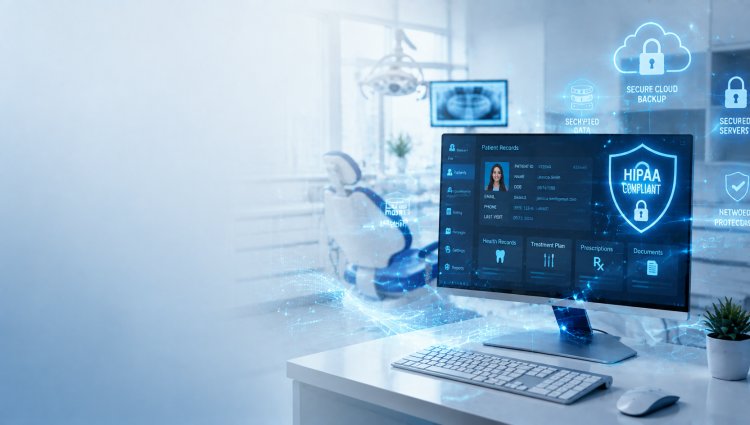
HIPAA Compliance for Dental Practices: Protect Patient Records & Stay Secure

Dental practices handle some of the most sensitive patient information every day — including medical histories, insurance details, treatment plans, and personal identification data. While technology has made dental operations faster and more efficient, it has also increased the risk of cyber threats and data breaches.

Many dental offices believe that having antivirus software or basic backups is enough to protect patient information. However, true HIPAA compliance for dental practices requires a complete approach to security, including proper systems, employee awareness, data protection strategies, and reliable IT management.

Without the right security measures, a single mistake — such as a phishing email click, weak password, or outdated software — can expose your practice to serious risks.

This is where specialized dental IT support from companies like LA Dental IT helps dental practices maintain secure, reliable, and compliant technology environments.


What Is HIPAA Compliance for Dental Practices?

HIPAA (Health Insurance Portability and Accountability Act) is a federal regulation designed to protect sensitive patient health information, also known as Protected Health Information (PHI).

For dental practices, HIPAA compliance means ensuring that patient information is:

Compliance is not just about avoiding penalties — it is about building trust with patients and protecting your dental practice from security threats.


Why Dental Practices Are Targeted by Cybercriminals

Many dentists assume that hackers only target large hospitals or healthcare organizations. Unfortunately, smaller dental practices are also common targets because they often have valuable patient data but limited cybersecurity resources.

Common threats include:

1. Phishing Attacks

Cybercriminals send fake emails pretending to be trusted companies or employees. One wrong click can give attackers access to sensitive systems.

2. Ransomware Attacks

Ransomware can lock dental practice systems and prevent access to patient records, scheduling software, and billing information.

3. Weak Password Security

Simple passwords or shared login credentials make it easier for unauthorized users to access important information.

4. Outdated Software

Old systems and unsupported software may contain security weaknesses that attackers can exploit.


Common HIPAA Compliance Mistakes Dental Practices Make

Many dental offices unintentionally create security risks because of small technology gaps.

Using Unsecured Data Storage

Patient records should not be stored on unsecured devices or personal computers without proper protection.

Lack of Regular Data Backups

A cyberattack or hardware failure can result in permanent data loss if backups are not properly managed.

No Employee Security Training

Even the best technology can fail if employees are unaware of cybersecurity risks.

Ignoring Software Updates

Regular updates often include important security fixes that protect systems from new threats.


How LA Dental IT Helps Dental Practices Improve HIPAA Compliance

Managing HIPAA requirements while running a busy dental practice can be challenging. LA Dental IT provides specialized dental IT services designed around the unique needs of dental offices.

Their solutions help practices improve:

Data Security

Advanced cybersecurity solutions help protect sensitive patient information from unauthorized access and cyber threats.

Reliable Backups

Secure backup systems ensure patient data can be recovered quickly in case of unexpected incidents.

Network Protection

Proper network monitoring and management help prevent vulnerabilities that can affect daily operations.

Compliance Support

Dental-focused IT experts help practices implement technology solutions aligned with HIPAA security requirements.


Steps Dental Practices Can Take to Protect Patient Records

Improving HIPAA compliance does not have to be complicated. Dental practices can start with these steps:

1. Use Strong Password Policies

Encourage unique passwords and enable multi-factor authentication wherever possible.

2. Secure Your Dental Software

Ensure your dental management software is updated and properly configured.

3. Schedule Regular Data Backups

Reliable backups help protect your practice from ransomware and unexpected failures.

4. Train Your Team

Employees should understand how to identify phishing attempts and handle patient information safely.

5. Partner With Dental IT Experts

Working with a dental-focused IT provider helps ensure your systems are secure, monitored, and properly maintained.


Why HIPAA Compliance Matters Beyond Regulations

HIPAA compliance is not only a legal requirement — it directly impacts your dental practice reputation.

Patients trust dentists with their most personal information. A security breach can damage that trust, disrupt operations, and create unnecessary financial costs.

By investing in proper dental cybersecurity and IT support, practices can focus on what matters most: providing excellent patient care.


Frequently Asked Questions (FAQs)

1. Why is HIPAA compliance important for dental practices?

HIPAA compliance helps dental practices protect patient health information, prevent unauthorized access, reduce cybersecurity risks, and maintain patient trust.


2. Are small dental practices required to follow HIPAA regulations?

Yes. HIPAA requirements apply to dental practices of all sizes that handle protected health information.


3. What are the biggest cybersecurity risks for dental offices?

Common risks include phishing emails, ransomware attacks, weak passwords, outdated software, and unsecured patient data storage.


4. How can a dental IT company help with HIPAA compliance?

A dental IT provider can help with cybersecurity monitoring, data backups, network protection, software management, and compliance-focused technology solutions.


5. How often should dental practices review their IT security?

Dental practices should regularly review their security systems, update software, monitor threats, and evaluate their backup processes to maintain strong protection.


Final Thoughts

Patient data security should be a priority for every dental practice. With increasing cyber threats, relying on basic technology protection is no longer enough.

A strong HIPAA compliance strategy requires secure systems, proper employee practices, reliable backups, and expert IT support.

With specialized solutions from LA Dental IT, dental practices can reduce security risks, improve compliance, and keep their focus on delivering quality patient care.


Need help improving your dental practice cybersecurity and HIPAA compliance? Partner with LA Dental IT for reliable dental IT support designed to keep your practice secure and running smoothly.

888 978-9889

What's Your Reaction?

like
0
dislike
0
love
0
funny
0
angry
0
sad
0
wow
0